

Downtown Prescott Event Planning: Parking, Lodging, Timing and Guest Logistics
A great event can still feel stressful if guests are confused about where to go, when to arrive or how they will get back to their hotel. Logistics are not the most glamorous part of event planning, but they have a major effect on how polished the day feels.
If you are planning an event in or near downtown Prescott, think through the full guest journey before event day. Parking, lodging, vendor access, timing and communication should work together so people can focus on the event instead of solving transportation problems.
Map the guest journey from the beginning
Start with the moment a guest leaves home or a hotel. What information do they need to arrive confidently? Consider driving directions, parking instructions, event start time, expected arrival time, entrance location and whether guests will be moving between more than one location.
Do this exercise for different groups. Local guests may know the area well. Out-of-town guests may not. Vendors may need loading access that is completely different from the guest entrance. A useful logistics plan accounts for all three.
Treat parking as part of the invitation
Do not wait until the week of the event to explain parking. Confirm the current options with the venue and then give guests simple instructions. If more than one parking choice exists, tell guests which option is easiest and what they should expect when they arrive.
For larger events, consider whether guests will arrive at the same time. A parking plan that works for a slow trickle of arrivals may feel different when dozens of vehicles appear within a twenty-minute window.
Give out-of-town guests a lodging plan
Guests traveling to Prescott should not have to research everything from scratch. If many people are coming from out of town, provide a short list of lodging options at different price points and explain the general relationship between the hotel area and the event location.
If you arrange a room block, share the booking deadline clearly. If you do not use a room block, still encourage guests to reserve early during busy weekends or popular travel periods. The goal is to reduce the number of individual questions you receive later.
Build extra time into the arrival window
An invitation may list a start time, but the planning timeline should account for people finding parking, walking to the venue, checking in and greeting others. For ceremonies, presentations and other moments that need to start on time, consider telling guests when doors open and when the formal program begins.
For a more casual event, a wider arrival window can reduce congestion and create a relaxed start. The right approach depends on whether everyone needs to be seated at the same moment.
Separate guest logistics from vendor logistics
Caterers, florists, rental companies, musicians, photographers and other vendors may arrive hours before guests. Confirm where vendors should enter, where they can unload and whether there are time restrictions that affect setup.
Send vendors one logistics sheet with the venue address, arrival window, primary contact and setup expectations. This reduces the chance that everyone calls the host separately when they arrive.
Think about the end of the night too
Departure can be just as important as arrival. Consider how guests will leave if the event ends after dark, whether rideshare or designated drivers are part of the plan and how out-of-town guests will return to their lodging. If alcohol is served, transportation planning becomes even more important.
For weddings and celebrations, communicate any shuttle or transportation schedule clearly and repeat it during the event if necessary. Guests should not have to guess when the last ride leaves.
Send one useful guest update before the event
A few days before the event, send a concise message with the information people actually need: arrival time, parking guidance, weather considerations, dress expectations and any transportation details. Keep it short enough that guests will read it.
For weddings, the same information can live on the wedding website. For corporate events, it can be included in the calendar invitation or final reminder email.
Have a day-of contact who is not the host
The person celebrating, presenting or hosting should not be answering parking questions while the event is beginning. Assign a planner, coordinator, staff member or trusted helper as the day-of logistics contact and give vendors that person's information in advance.
Keep current details current
Parking arrangements, nearby construction, hotel availability and venue procedures can change. Confirm logistics again close to the event instead of relying on information gathered months earlier.
Create a backup transportation plan
Even when most guests plan to drive, think through what happens if weather changes, a parking area becomes less convenient than expected or someone decides not to drive home. A backup does not have to be elaborate. It simply needs to give guests a clear next option.
For larger events, save transportation contacts and communicate any backup plan to the coordinator before guests arrive. The host should not have to invent a solution in the middle of the event.
Coordinate the schedule with hotel check-in and check-out
If many guests are staying overnight, compare the event schedule with typical hotel arrival and departure times. Guests who arrive hours before they can access a room may need a place for luggage or a suggestion for how to use that time.
The morning after the event matters too. Avoid creating an early required activity if most guests were out late unless it is truly necessary. A guest-friendly schedule can make the entire trip feel more enjoyable.
Considering a downtown Prescott venue?
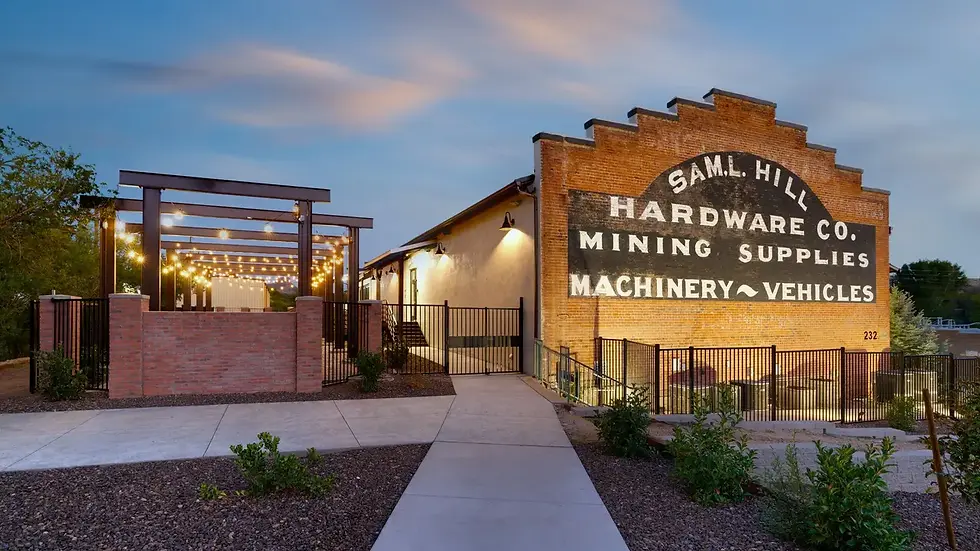
If Sam Hill Warehouse is on your venue list, contact the venue directly for the most current arrival, access and event information before finalizing guest instructions.


Comments