

How to Plan a Corporate Event in Prescott That People Actually Want to Attend
A successful corporate event should feel intentional, not like a regular workday moved into a different room. Whether you are planning a company meeting, client dinner, awards night, training session, networking event or team celebration, the venue and event format should make it easier for people to connect, focus and participate.
When you are comparing corporate event venues in Prescott, start with the experience you want attendees to have. Then build the schedule, room layout, technology and food around that goal instead of trying to force every event into the same conference format.
Decide what the event needs to accomplish
Before choosing a venue, define the result you want from the event. A training day may need long stretches of focused seating and clear sightlines. A client appreciation event may need conversation space and a relaxed flow. A leadership retreat may benefit from smaller group discussions. An awards dinner needs a room that can shift attention between dining and a program.
Once the purpose is clear, it becomes much easier to judge whether a space actually fits. You can evaluate the venue based on what people will do there rather than whether the room simply looks professional.
Choose a format that matches attention spans
Long blocks of presentations can drain energy quickly. If the event includes speakers, consider breaking the day into shorter sessions with natural transitions. Mix presentations with discussion, networking, meals or interactive portions so attendees have reasons to re-engage.
For evening events, keep the formal program focused. Guests are usually more receptive to a concise welcome, recognition or presentation than a long sequence of speeches. The venue layout should support those shifts without requiring the entire room to be reset.
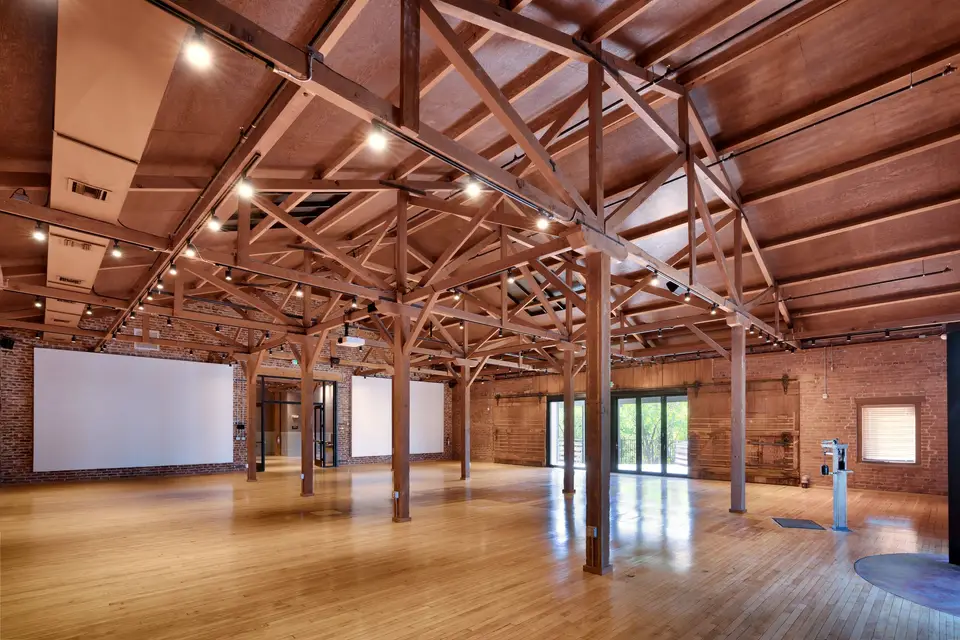
Plan the room around how people will interact
Room layout changes behavior. Theater-style seating directs attention forward. Classroom-style layouts support note taking. Round tables encourage conversation. Cocktail tables make it easier for guests to move and network. Lounge groupings can create comfortable areas for informal conversations.
Think about whether attendees should stay in one place or move throughout the event. If the schedule includes a presentation, meal and networking period, ask whether the room can support each phase comfortably without creating bottlenecks.
Do not treat technology as a last-minute detail
If the event depends on slides, microphones, video, music or virtual participation, test the technology plan early. Ask what equipment is available, what must be brought in, where power is located and how long presenters will have for setup and testing.
Always have a backup for the most important parts of the program. Keep presentation files in more than one location, bring adapters and confirm who is responsible for troubleshooting. A five-minute technology problem feels much longer when an entire room is waiting.
Use food and breaks to support the schedule
Food is not just a catering decision. It affects timing and energy. A working lunch may be efficient for a short meeting, while a longer event may benefit from a real break that lets people step away and talk. For networking events, food that is easy to eat while standing can support movement better than a formal meal.
Build enough time into the schedule for people to eat without feeling rushed. If a meal is part of the main experience, allow it to be one of the event's social moments rather than treating it as a gap between presentations.
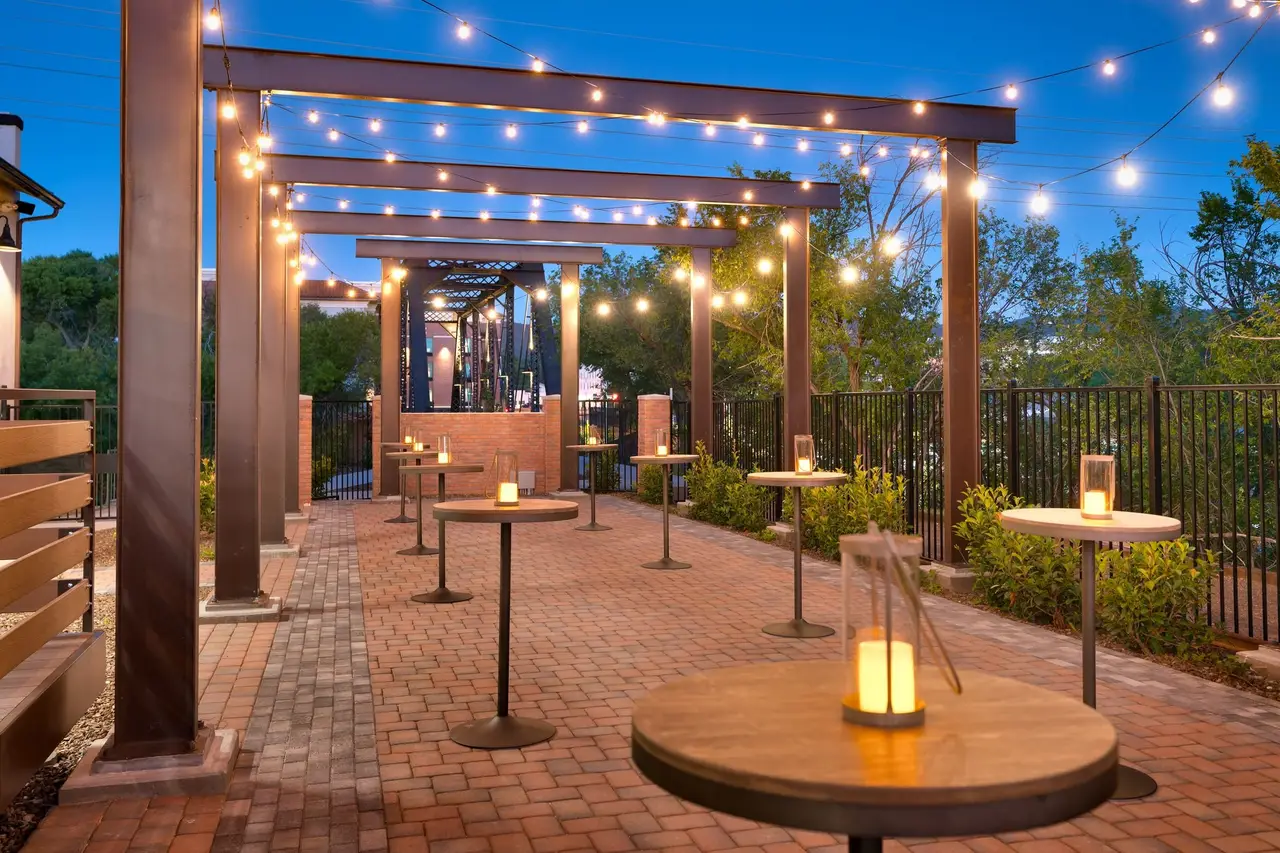
Make arrival easy
The first ten minutes shape how organized the entire event feels. Send clear information about timing, arrival instructions, dress expectations and anything attendees should bring. If guests are unfamiliar with Prescott, include enough information that they do not have to search for basic logistics on the way to the event.
At the venue, make check-in simple and place signs only where they are actually needed. A smooth arrival gives attendees confidence that the rest of the event will be well managed.
Leave room in the schedule for real conversations
Corporate events often create value in the conversations that happen between official agenda items. Do not schedule every minute. A slightly longer break, an open networking period or time after dinner can give attendees space to make connections that would not happen during a presentation.
Measure success after the event
Decide in advance how you will judge whether the event worked. Depending on the goal, that could include attendance, employee feedback, client conversations, leads, training completion or participation. A short follow-up survey can reveal which parts of the event people valued most and what should change next time.
Build a realistic run of show
A run of show is more detailed than the agenda guests receive. It should include vendor arrival times, sound checks, room access, speaker cues, meal timing, transitions, breaks and the person responsible for each step. Even a simple corporate dinner benefits from having one shared timeline.
Review that timeline with the venue and key vendors before event day. Small conflicts become much easier to solve when they are discovered in advance, such as a presentation setup happening at the same time catering needs access to the same area.
Design the event for different types of attendees
Not everyone networks or participates in the same way. Some guests will happily walk into a crowded reception and start conversations. Others engage more easily when there is structured seating, a discussion prompt or a specific activity. A strong corporate event gives people more than one way to participate.
If the event includes both employees and clients, or people from several departments, think about how seating and activities can prevent familiar groups from staying isolated all night. Small choices in room layout and timing can create much better interaction.
Planning a corporate event in Prescott?
If Sam Hill Warehouse is one of the venues you are considering, contact the venue directly for current availability, policies and event details. Confirming the latest information is the best way to determine whether the space fits your specific event.


Comments