

How to Plan a Fundraiser or Nonprofit Event in Prescott, Arizona
A fundraiser has to do more than fill a room. It needs to create a reason for people to attend, make the mission easy to understand and give guests clear opportunities to participate. The strongest nonprofit events connect the guest experience directly to the organization's goal.
If you are planning a fundraiser in Prescott, start with the outcome you need and work backward. The venue, schedule, food, entertainment and fundraising activities should all support that goal rather than compete with it.
Define the primary goal before choosing the format
Fundraisers can have several goals at once, but one should lead. Are you trying to raise a specific dollar amount, introduce the organization to new supporters, thank existing donors, build community awareness or secure sponsors for future work?
A clear goal helps you choose the right event format. A formal dinner may work for major donor cultivation. A casual community gathering may be better for awareness. An auction or ticketed entertainment event may create more direct fundraising opportunities.
Build a budget around net revenue
A sold-out event is not automatically a successful fundraiser if expenses consume most of the revenue. Build the budget around what the organization needs to net after venue, food, staffing, entertainment, printing, rentals, payment processing and other costs.
Estimate income conservatively. Separate guaranteed sponsorships from projected ticket sales, auctions or donations. That makes it easier to see how many attendees or sponsors are actually needed for the event to reach its goal.

Choose a venue that supports the fundraising plan
Evaluate venues based on the activities you need to run. If the event includes a stage program, silent auction, raffle, dinner and networking, think about how each element will fit without making the room feel crowded.
Ask about the current rules that could affect the event, including vendor requirements, setup time, alcohol policies, signage, sound, fundraising activities and cleanup. Policies can change, so get the latest information directly from the venue rather than relying on an old event example.
Make the mission visible without overwhelming guests
Guests should understand why they are there, but the event does not need to feel like a nonstop presentation. Use a few strong storytelling moments instead of repeating the same message throughout the night.
A short video, one compelling speaker, a beneficiary story or a visual display can often communicate more than a long series of speeches. Choose stories that show the impact of the work and make the fundraising need concrete.
Create clear moments to give
Do not assume guests will know when or how to donate. Build specific opportunities into the event. That might include ticket upgrades, sponsorship packages, auctions, a live appeal, text-to-give, QR codes or donation cards.
Keep instructions simple. If a guest has to search for a link, create an account or ask someone how to participate, fewer people will complete the donation.
Use sponsors strategically
Sponsors can help offset costs and expand the event's reach, but the sponsorship package should offer real value. Think beyond placing a logo on a sign. Depending on the event, sponsors may value social media mentions, event tickets, speaking recognition, table placement, email exposure or association with a specific program.

Design the schedule around energy
The fundraising ask should happen when guests are engaged, not when they are hungry, distracted or preparing to leave. Build the program so the mission story and donation opportunity arrive at a natural high point.
Avoid long gaps between major moments. If dinner, speakers, awards and auctions are all part of the event, create a timeline that keeps the evening moving while still leaving time for conversation.
Make registration and checkout easy
Fundraisers often create lines at the exact moments when guests should be enjoying the event. Test the registration process before doors open. If auctions or purchases are involved, make sure checkout is simple and that guests know when and where to complete it.
Assign enough volunteers or staff to the entry and exit periods. Those transitions have an outsized effect on how professional the event feels.
Follow up while the event is still fresh
The fundraiser should not end when guests leave. Send a thank-you message soon after the event, share the result if appropriate and show supporters what their participation made possible. Follow up separately with major donors, sponsors and people who expressed interest in getting more involved.
Create a volunteer staffing map
Nonprofit events often depend on volunteers, but simply having many helpers does not guarantee that the event will run smoothly. Assign specific roles such as registration, auction support, guest directions, speaker assistance, donation questions and cleanup.
Give every volunteer a short written description of the role and identify one person who can make decisions when questions come up. This reduces confusion and prevents several volunteers from solving the same problem while another area is left unattended.
Plan donor follow-up before event day
Do not wait until after the fundraiser to decide how guests will be thanked. Prepare email templates, sponsor acknowledgments and donor follow-up steps before the event so the organization can respond quickly while the experience is still fresh.
Also decide how new contacts will be entered into the organization's system and who is responsible for personal follow-up with major donors or potential partners. The event can create relationships that are more valuable than a single night's revenue.
Planning a nonprofit event in Prescott?
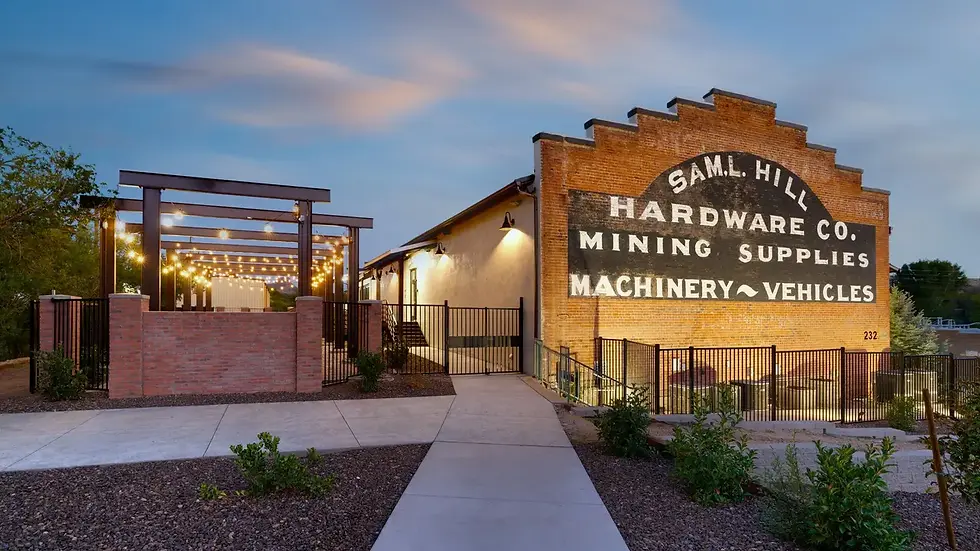
If Sam Hill Warehouse is one of the venues you are considering, contact the venue directly for current availability, policies and event details. Confirming current information helps prevent surprises as the fundraiser plan develops.


Comments