

Historic Event Venue or Hotel Ballroom? What to Compare Before Booking
Historic event venues and hotel ballrooms can both host memorable events, but they create very different experiences. One is not automatically better than the other. The right choice depends on the atmosphere you want, the way guests will move through the event and how much flexibility you need.
If you are comparing event venues in Prescott, look beyond the photos. The most useful comparison includes character, layout, vendor rules, lodging, setup time, weather plans and the total cost of making the space work for your event.
Start with the feeling you want guests to have
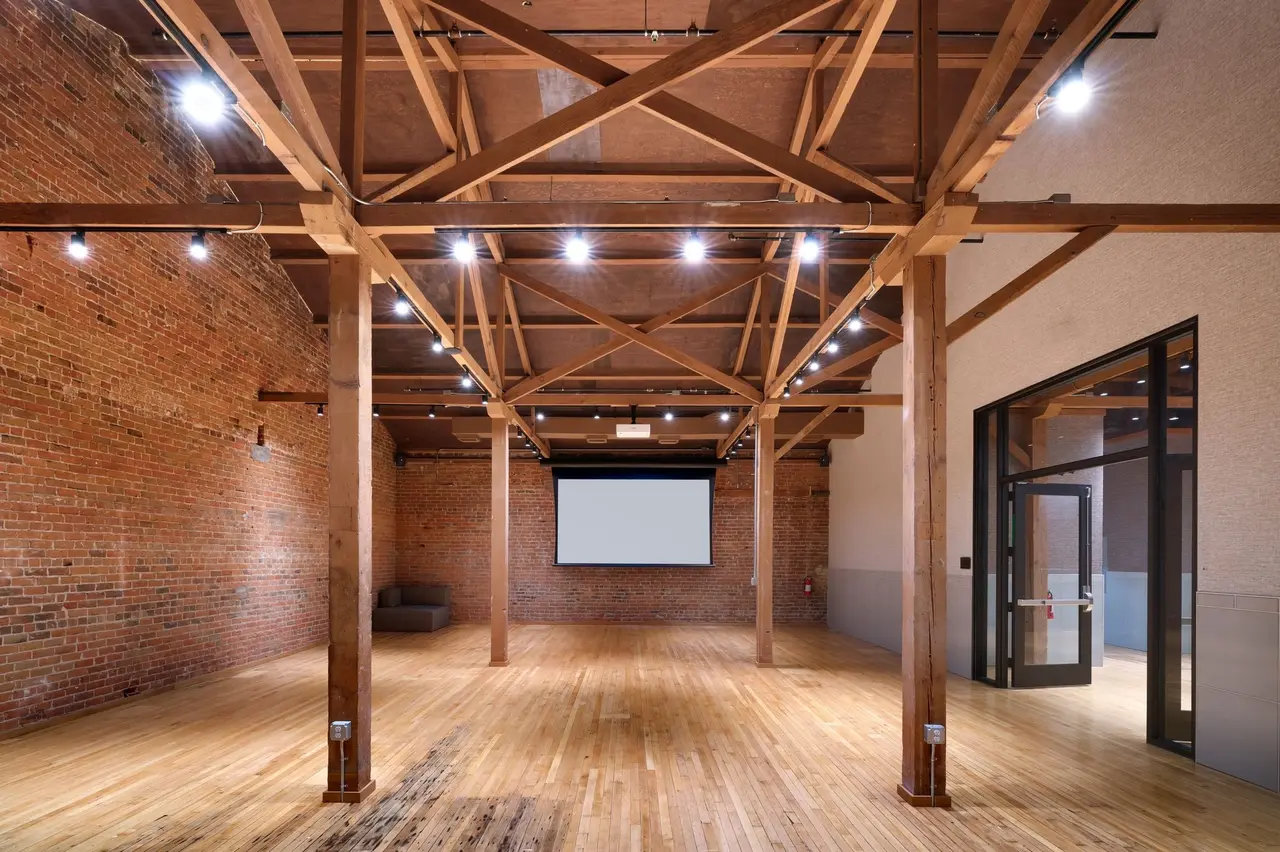
A historic venue often has built-in visual character. Original materials, architectural details and an unconventional floor plan can make the event feel connected to a specific place. A hotel ballroom usually offers a more neutral setting that can be transformed with lighting, draping, florals and rentals.
Neither approach is wrong. If you want the venue itself to contribute to the look, historic spaces can reduce the amount of decor needed. If you want a blank canvas that can be completely reimagined, a ballroom may offer more visual control.
Compare the layout, not just the guest capacity
Capacity tells you how many people may fit, but it does not tell you how the event will feel. Ask to see possible layouts for your actual guest count and event format. A room can technically hold a certain number of guests while still feeling tight once a bar, dance floor, stage, buffet or lounge area is added.
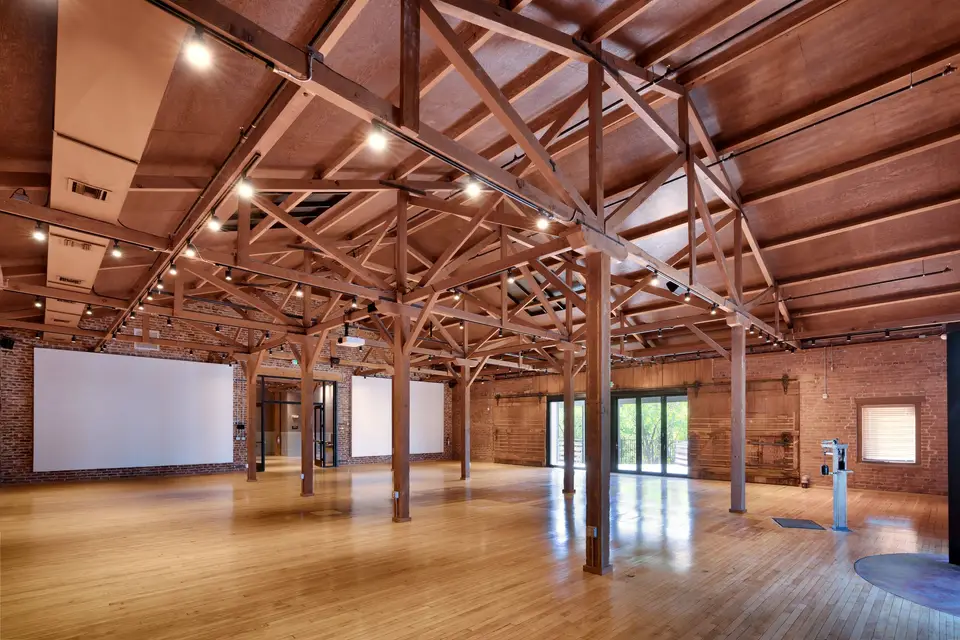
Historic venues sometimes have columns, multiple rooms or architectural features that shape the layout. Ballrooms may offer larger uninterrupted floor plans or movable walls. Think about whether those characteristics help or complicate your event.
Think about how much decor you really want to bring in
A venue with strong architecture can look complete with relatively simple decor. That may allow you to focus the budget on florals, table details or lighting instead of trying to create an atmosphere from scratch.
A neutral ballroom can support almost any color palette or theme, but achieving a highly customized look may require more rentals and design work. When comparing prices, include the decor needed to get each venue to the look you want.
Ask about vendor and catering flexibility
Hotels often have established in-house food, beverage and staffing systems. That can simplify coordination, but it may also limit vendor choices. Independent venues may work differently, with preferred vendors, outside options or a mix of both.
Do not assume. Ask each venue about current catering, alcohol, insurance, entertainment and rental policies before signing. These rules affect both the budget and the amount of coordination required.
Compare lodging convenience realistically
A hotel ballroom has an obvious advantage when many guests are staying in the same building. That can be especially convenient for conferences, destination events or late-night celebrations.
A separate historic venue can still work well for traveling guests if lodging and transportation are planned clearly. Compare the actual guest experience rather than assuming everyone needs to stay in the event building.
Look closely at setup and breakdown time
The amount of time you receive before and after the event can affect everything from decor to vendor labor. Ask when setup can begin, when the event must end and when personal items or rentals must be removed.
Hotels may have tight turnover schedules if another event is using the ballroom before or after yours. Historic venues may have their own event calendar and access policies. The only reliable answer is the current contract for your date.
Consider sound, lighting and technology
Hotel ballrooms are often designed with events and presentations in mind, while historic spaces may have different acoustics or technology needs. On the other hand, a historic room may require less decorative lighting because the architecture already creates visual interest.
If microphones, presentations, live music or a DJ are important, discuss the actual setup and testing process. Technology should be evaluated based on the event you are planning, not on assumptions about the venue category.
Compare privacy and exclusivity
Ask whether other events may be happening elsewhere on the property at the same time. In a hotel, guests may share lobbies, elevators or hallways with travelers and other groups. An independent venue may offer a different sense of separation, but policies vary widely.
Think about how much privacy matters for your event. A board retreat, wedding or donor dinner may have different needs than a public networking event.
Compare the full cost
A ballroom package may bundle several services into one price, while an independent venue may separate them. Or the opposite may be true. Create a side-by-side budget that includes venue fees, food, beverage, rentals, staffing, decor, technology, transportation and extra hours.
This is often where the real difference becomes clear. The lowest venue fee does not necessarily produce the lowest event cost.
Tour both types before deciding
Photos can exaggerate the similarities between venues. Visit the spaces if possible and pay attention to how you feel when you enter, how guests would move through the event and what the room looks like without elaborate decor.
Take the same checklist to every tour so you are comparing the same criteria. Afterward, ask which venue supports the event with the fewest compromises.
Considering a historic event venue in Prescott?
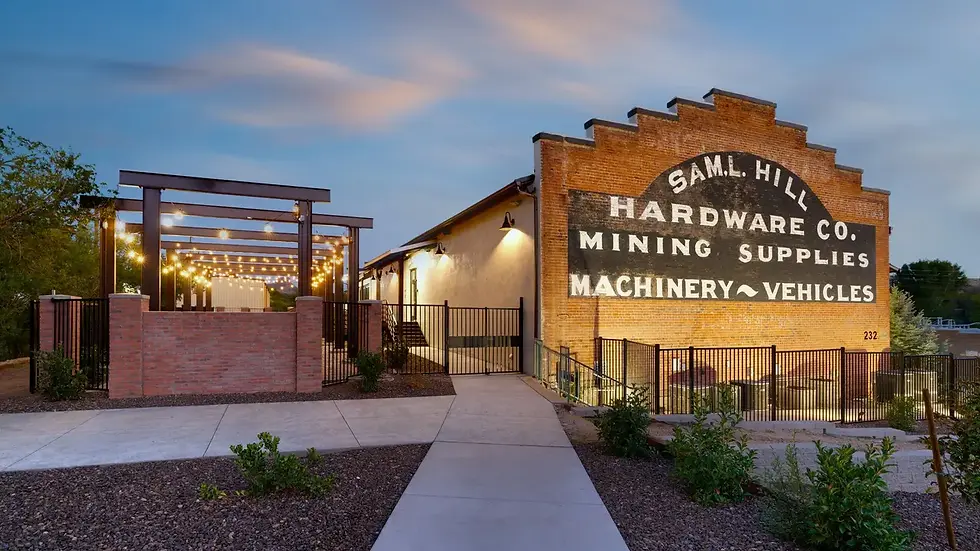
If Sam Hill Warehouse is on your list, contact the venue directly for current availability, policies and event details. Comparing current information from each venue will give you the clearest picture.


Comments