

How to Style a Historic Event Venue Without Overdecorating It
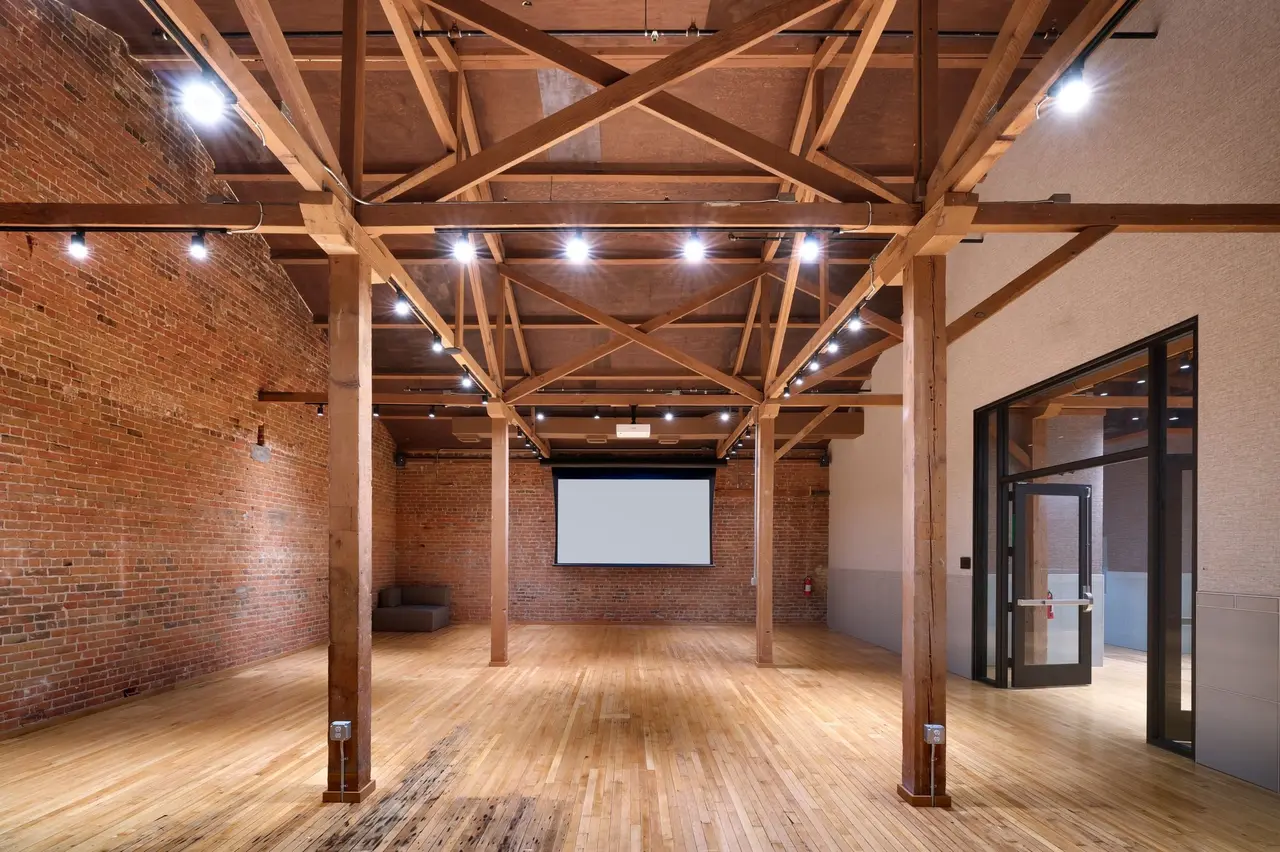
One of the biggest advantages of a historic event venue is that the space already has a point of view. Brick, wood, original architectural details, large doors, beams, windows and aged materials can create visual interest before a single centerpiece is added.
That also creates a decorating challenge. When a venue already has strong character, adding too many competing elements can make the room feel busy. The goal is usually to complement the architecture, not hide it.
Let the venue establish the starting palette
Before choosing colors, look closely at the permanent materials in the room. Warm brick, dark metal, natural wood and neutral walls all influence how colors appear in the space. A palette that looked perfect online may feel very different once it is surrounded by those tones.
Bring fabric swatches, floral examples or mood-board colors to the venue if possible. Photograph them in the actual light. This can help you see whether the colors blend with the room or fight against it.
Choose one or two design ideas to repeat
A cohesive event does not need a different decor concept at every table. Choose a few elements and repeat them. That might be a floral style, a candle shape, a metal finish, a linen tone or a type of greenery.
Repetition makes the room feel intentional and keeps the architecture visible. It can also simplify ordering because you are using a smaller group of materials in a more consistent way.
Use florals to soften, not cover
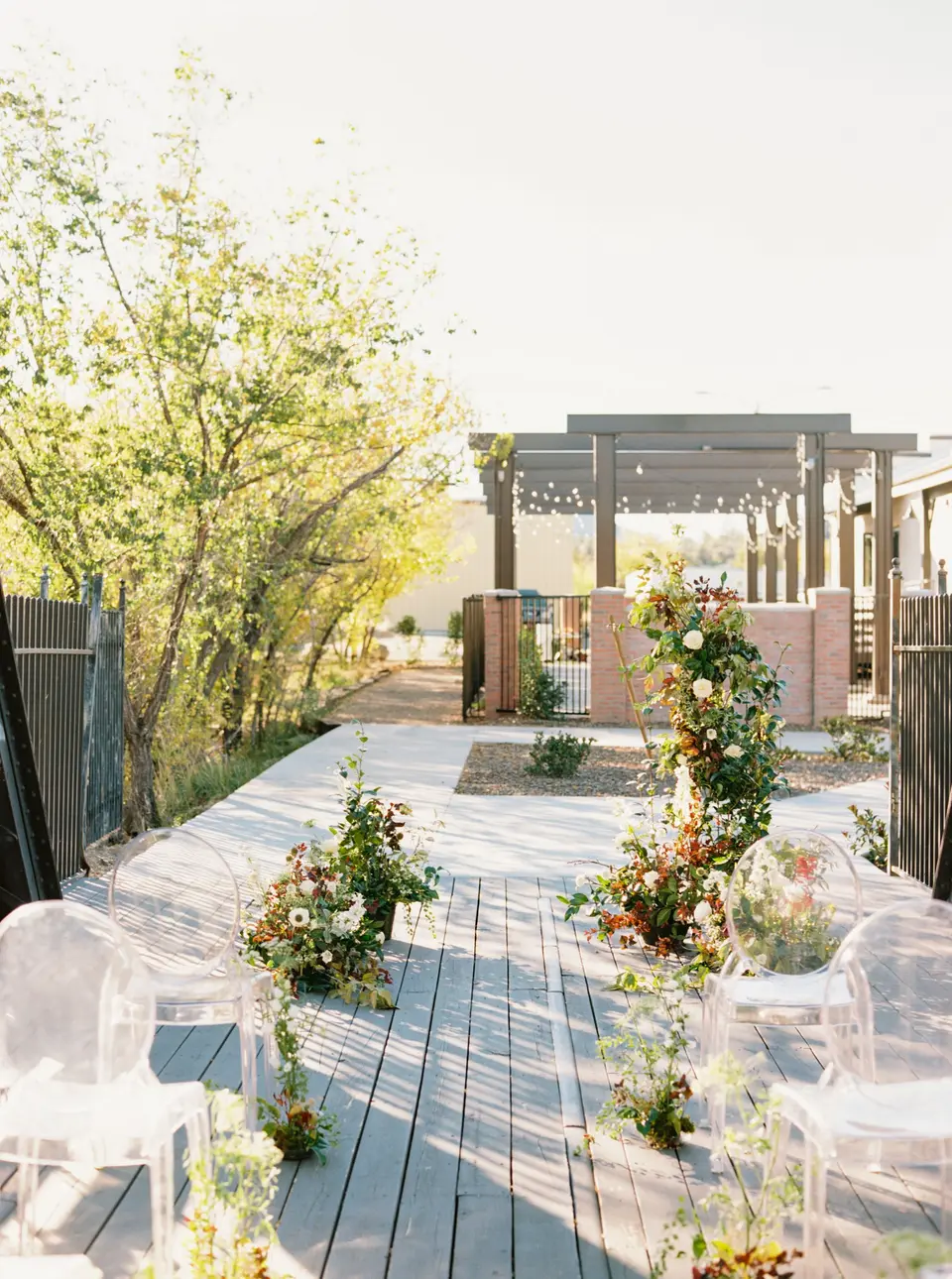
Flowers can add color and movement to historic spaces, but they do not need to hide every wall or architectural feature. Consider concentrating larger arrangements in a few high-impact areas, then using smaller pieces elsewhere.
If the venue has strong vertical features, taller arrangements may echo the scale of the room. If the architecture already feels visually busy, lower and simpler florals may create better balance.
Treat lighting as part of the decor
Lighting changes how historic materials look after sunset. Warm light can bring out texture in brick and wood, while overly cool light may flatten those details. Candles, uplighting and carefully placed accent lighting can create atmosphere without adding physical decor to every surface.
Before renting specialty lighting, ask what the room looks like at the same time of day your event will take place. A daytime tour may not show you how much additional lighting is actually needed at night.
Keep linens connected to the room
Linens cover a large visual area, so their color and texture can change the entire space. Neutral linens can let florals and architecture lead. Deeper colors can create contrast and make a large room feel more intimate.
If you want a bold color, consider using it selectively on napkins, runners or a few feature tables instead of every surface. This can create impact without overwhelming the room.
Create a few focal points instead of decorating everywhere
Guests remember the strongest visual moments. A ceremony backdrop, head table, welcome display, cake table, stage or photo area can carry more design impact than dozens of small decorations spread around the room.
Decide which two or three areas will appear most often in photos and receive the most guest attention. Put more of the decor budget there, then let the rest of the venue breathe.
Use furniture intentionally
Furniture can be decor. Chairs, lounge pieces, cocktail tables and bars all contribute to the look of the event. Choose items that support the overall style instead of treating them as purely functional.
At the same time, avoid filling every empty corner. Negative space can make a historic room feel larger and can give architectural details more visual importance.
Be careful with themes
A theme can be useful, but historic venues often look strongest when the design takes inspiration from the building rather than covering it with props. If you are planning a seasonal or themed event, use color, texture and a few recognizable details instead of transforming every part of the room.
Plan the photo backgrounds
Walk through the venue with a camera or phone and identify the strongest natural backdrops. Think about where formal portraits, group photos, speeches and key event moments will happen. Then keep those areas visually clean.
A beautiful architectural wall can disappear behind equipment, signage or stacked rentals if the photo plan is not considered during setup.
Ask about decor rules before ordering anything
Historic spaces may have specific rules designed to protect the building. Ask about current policies for candles, hanging items, adhesives, confetti, open flame, installations and anything that touches walls or ceilings.
Policies can change, so confirm the latest rules before paying deposits to decorators or rental companies.
Give the room space to look like itself
The most successful historic-venue designs often feel edited rather than empty. Every element should have a reason to be there. If removing a decoration makes the room look cleaner and more intentional, the decoration may not be necessary.
Considering a historic venue in Prescott?
If Sam Hill Warehouse is on your list, contact the venue directly for current availability, policies and decor guidelines before building your final design plan.


Comments