

Creative Solutions for Catering Dietary Restrictions at Your Wedding Without a Second Menu
- Jun 11
- 3 min read
Planning a wedding menu that satisfies every guest can feel like a puzzle, especially when dietary restrictions come into play. Offering a separate menu for guests with allergies, intolerances, or lifestyle choices might seem like the easiest solution, but it can complicate logistics and increase costs. The good news is that you can create a single, inclusive menu that caters to diverse needs without the hassle of a second menu. This post explores practical and creative ways to handle dietary restrictions at your wedding while keeping your catering simple and elegant.

Understand Your Guests’ Needs Early
The first step is gathering detailed information about your guests’ dietary restrictions. When sending invitations or RSVP cards, include a clear section asking about allergies, intolerances, and preferences such as vegetarian, vegan, gluten-free, or nut-free. This early insight allows you to plan a menu that covers all bases without surprises.
Use online RSVP tools that allow guests to specify dietary needs.
Encourage honesty by explaining that this helps create a safe and enjoyable dining experience.
Follow up with guests if needed to clarify any special requirements.
Knowing the exact number of guests with restrictions helps your caterer prepare the right amount of food and avoid waste.
Choose Dishes That Naturally Accommodate Multiple Diets
Instead of creating separate dishes, select recipes that work for many dietary needs at once. Many ingredients and cooking methods lend themselves to being naturally gluten-free, dairy-free, vegetarian, or vegan.
Grilled or roasted vegetables seasoned with herbs and olive oil are safe and flavorful.
Quinoa or rice salads with fresh vegetables and nuts (if no allergies) offer texture and nutrition.
Legume-based dishes like lentil stews or chickpea salads provide protein without meat or dairy.
Fresh fruit platters or sorbets make excellent desserts that avoid common allergens.
By focusing on whole, fresh ingredients and simple preparations, you can create dishes that appeal to everyone.
Use Customizable Stations or Build-Your-Own Options
Offering a buffet or food stations where guests can customize their plates lets everyone tailor their meal to their needs without a separate menu.
A salad bar with a variety of greens, toppings, and dressings (including vegan and gluten-free options).
A taco or wrap station with different fillings such as grilled chicken, beans, and vegetables, plus gluten-free tortillas.
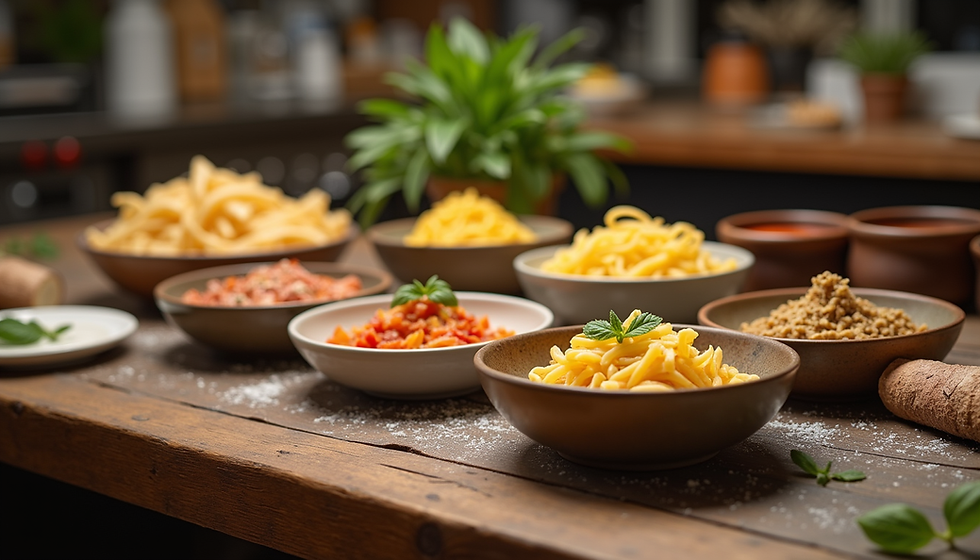
A pasta station with gluten-free pasta and multiple sauce options, including dairy-free and vegetarian sauces.
This approach encourages interaction and lets guests control what they eat, reducing the risk of cross-contamination or accidental allergens.
Work Closely with Your Caterer on Cross-Contamination
Even with a single menu, cross-contamination can be a concern for guests with severe allergies. Discuss these concerns with your caterer to ensure safe food handling practices.
Request separate preparation areas or utensils for allergen-free dishes.
Label dishes clearly at the buffet to indicate ingredients.
Train serving staff to answer questions about ingredients confidently.
A professional caterer experienced in handling dietary restrictions can help you design a menu that is both safe and delicious.
Incorporate Allergy-Friendly Substitutes in Classic Dishes
You don’t have to sacrifice traditional wedding foods. Many classic dishes can be adapted to be allergy-friendly without losing their appeal.
Use nut-free pesto made with sunflower seeds instead of pine nuts.
Replace dairy butter with vegan butter or olive oil in mashed potatoes or sauces.
Swap regular flour with gluten-free flour blends in baked goods.
Use plant-based milks like almond or oat milk in creamy dishes.
These small changes allow you to serve familiar favorites that everyone can enjoy.
Communicate Clearly with Your Guests
Transparency helps guests feel comfortable and cared for. Use signage or menu cards to highlight dishes that meet common dietary restrictions.
Indicate vegetarian, vegan, gluten-free, and nut-free options.
Provide ingredient lists or allergen warnings where possible.
Encourage guests to ask staff if they have questions.
Clear communication reduces anxiety and helps guests make informed choices.
Consider a Shared Dessert Table with Variety
Desserts often pose challenges due to dairy, gluten, and nuts. Instead of a single wedding cake or dessert, offer a variety of small treats that cover different needs.
Mini fruit tarts with gluten-free crusts.
Vegan chocolate mousse made with avocado or coconut cream.
Dairy-free sorbets in seasonal flavors.
Classic wedding cake with a gluten-free or vegan tier.
A diverse dessert table lets guests sample what suits them best and adds a festive touch.
Plan for Leftovers and Extras
Even with careful planning, some dishes may be more popular than others. Prepare extra portions of allergy-friendly dishes to accommodate unexpected guests or second servings.
Store leftovers safely for guests who may want to take food home.
Have backup snacks or simple options like fresh fruit or nuts (if safe) available.
This flexibility ensures no guest feels left out.


Comments